
New Project Launch

We are thrilled to kick off our new initiative, “Young People in Solidarity for the Prevention and Reduction of Food Waste” — a youth-led project dedicated to tackling one of today’s most pressing environmental and social challenges: food waste.

Through research, innovation, and creative community action, this project aims to reshape the way we view and handle food surplus, especially in rural areas of Greece. Together with young people from our local communities, we are developing practical solutions to reduce waste in farmers’ markets and agricultural fields, promote recycling of food remnants, and raise awareness across both academic and non-academic audiences.

Our goal is to empower youth with new skills, strengthen local networks, and make a real impact in the fight against climate change. We believe in sustainable practices, community participation, and long-term change — and we’re just getting started.

Stay with us as we turn awareness into action and solidarity into sustainable living.

Fighting Food Waste One Bag at a Time: Our Ongoing Mission

As part of our project Young People in Solidarity for the Prevention and Reduction of Food Waste, we’re thrilled to see local initiatives like this one making a tangible impact!

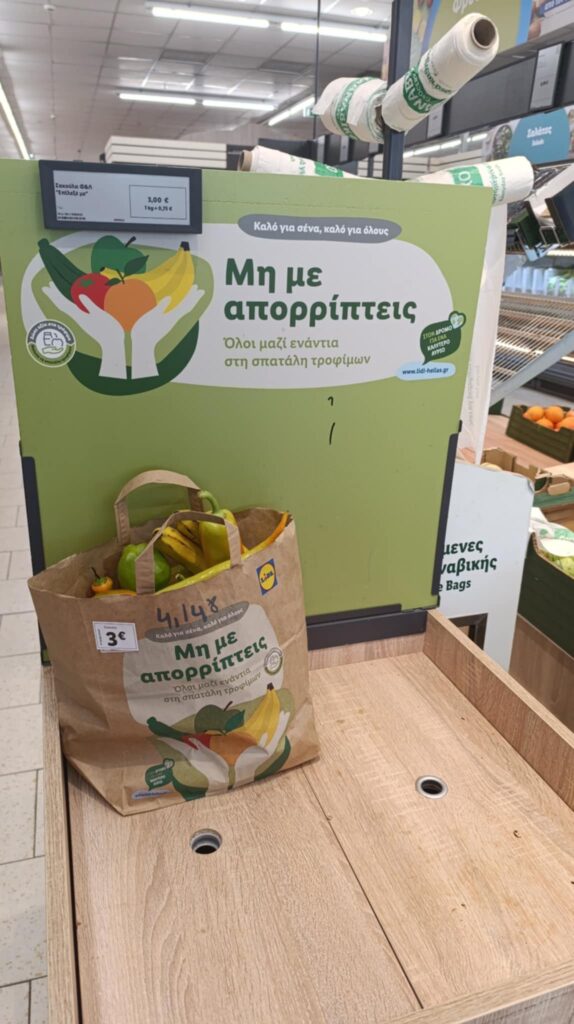
This photo, taken at a supermarket, shows special bags filled with “imperfect” or surplus fruits and vegetables being sold at a symbolic price. Under the motto “Μη με απορρίπτετε” (“Don’t throw me away”), these bags give a second chance to produce that would otherwise end up in the trash — perfectly aligning with our project’s mission to reduce food waste and raise awareness in our communities.

By supporting such initiatives, we inspire young people to rethink their consumption habits, respect food resources, and stand in solidarity with those facing food insecurity. Every rescued piece of fruit brings us closer to a more sustainable, conscious, and compassionate society.

Let’s continue to spread the message: fighting food waste is everyone’s responsibility, and small actions, like choosing a bag of “saved” fruits, can lead to big changes for our planet and our communities.

Food Waste Prevention

Setting the Foundations — Our First Steps Against Food Waste

We’re excited to kick off our project Young People in Solidarity for the Prevention and Reduction of Food Waste with a strong start!

Our team began by developing a detailed project plan that defined our objectives, target groups, and a series of engaging activities. We explored best practices and modern digital tools that will help us maximize our impact.

To build a deep understanding of the issue, we organized presentations on the goals of the European Solidarity Corps (ESC), shared informative posts online and in person, and screened impactful videos showing the environmental consequences of food waste.

We also investigated how food waste affects our own neighborhoods. Based on our findings, we designed awareness activities to take place at local farmers’ markets, starting with educational outreach to vendors and recording their reactions.

We highlighted the United Nations’ 17 Sustainable Development Goals (SDGs), with a focus on SDG 13 (Climate Action), SDG 11 (Sustainable Cities and Communities), SDG 15 (Life on Land), and SDG 2 (Zero Hunger), reminding everyone of the bigger picture.

Finally, we wrapped up with an icebreaker game to strengthen bonds among participants, setting the stage for teamwork and collaboration throughout the project!

Reflecting, Planning, and Acting Locally

Last month, we gathered for an important evaluation meeting where, guided by our coach, we assessed our initial actions and reflected on the first results of our project Young People in Solidarity for the Prevention and Reduction of Food Waste.

We focused on the next steps in planning and outreach:
✅ We initiated cooperation with local schools to introduce environmental education into their curricula, inspiring young students to embrace sustainable habits.
✅ We reached out to local businesses to prepare a “Green Entrepreneurship” workshop, coordinating invitations, promotional materials, and partnering with the municipality for venue support.
✅ Our team distributed informational leaflets highlighting how food waste affects the climate, raising awareness among community members.

To demonstrate solidarity in action, we organized a cooking event in a school yard, where we prepared meals using rescued food and shared them with community members facing financial difficulties.

Additionally, we prepared and distributed educational materials to promote sustainable practices, empowering individuals and families to reduce food waste in their daily lives.

Through these collective efforts, we’re building a culture of awareness, compassion, and practical solutions for a greener, fairer community.
 

Community Outreach and Direct Action for Food Waste Reduction

Our project Young People in Solidarity for the Prevention and Reduction of Food Waste continues with impactful community-focused actions!

This month, we launched initiatives to raise awareness about reducing overconsumption and food waste:
✅ We distributed printed shopping lists outlining weekly food quantities per person for essential goods — a practical tool to help families plan better and avoid unnecessary purchases.
✅ We shared pamphlets with suggested healthy weekly meal plans, promoting balanced diets while minimizing waste.

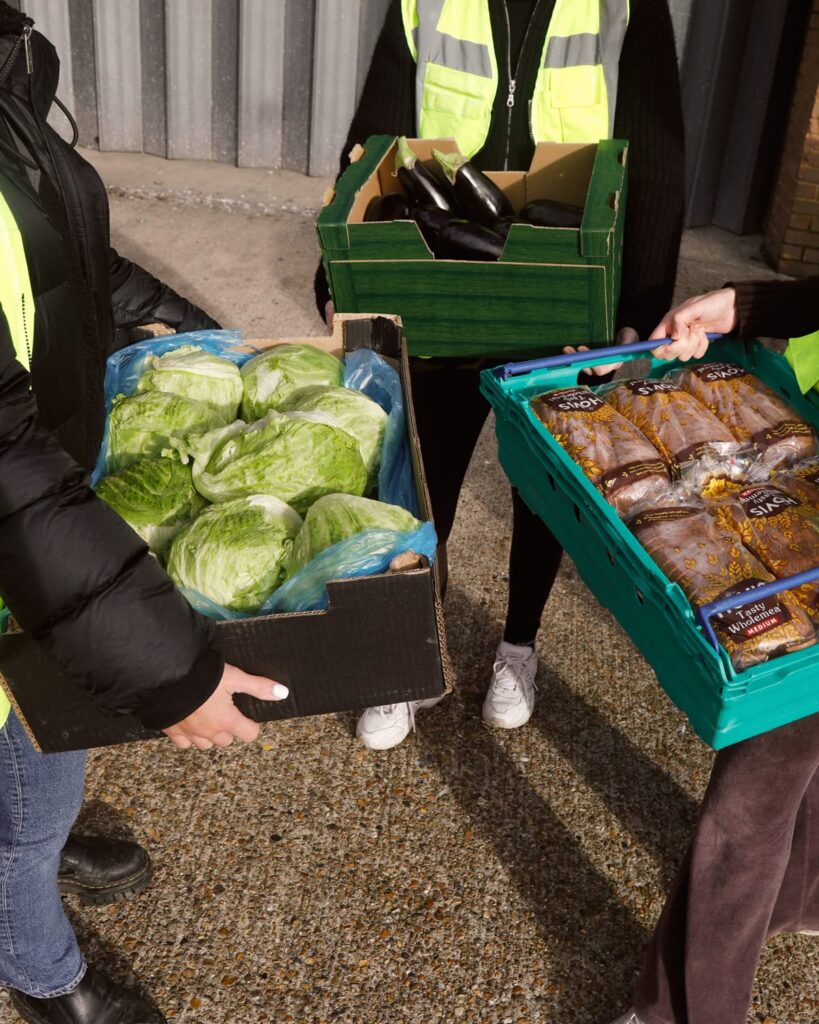
Our solidarity actions included organizing clean-up efforts at the local farmers’ market: we collected leftover produce, sorted it, and delivered still-edible items to the municipal soup kitchen, directly helping those in need.

We also established a “food bank” in collaboration with the municipality, where community members can donate food items before their expiration dates, ensuring they reach people who need them most.

To further educate our community, we hosted a talk by a professional dietitian-nutritionist, who spoke about healthy eating using local products.

Finally, we documented and evaluated the results of these actions to measure their effectiveness and guide future improvements.

Together, we’re taking concrete steps towards reducing food waste, supporting our community, and building a more sustainable future for everyone!

Launching the Project Through Play and Environmental Observation

Ιn August, we participated in activities aimed at introducing participants to environmental awareness and collective responsibility in an engaging and participatory way. A digital game focused on recycling is developed and used as an educational tool to promote learning through play. In parallel, participants organize a walk along the riverbanks of the municipality, where they observe the local environment, identify waste and pollution sources, and document issues through photographs and written notes. The collected material is used to formulate a structured request addressed to the Mayor, highlighting observed environmental challenges. The month concludes with an evaluation and feedback meeting led by the project coach, focusing on team motivation, emotional empowerment, and setting a positive and resilient foundation for the project.

Food Waste, Climate Awareness, and Community Engagement

In September, the focus shifts to food waste and its connection to climate change. A series of awareness-raising activities is organized, including film screenings, open discussions, public talks, and publications in local print and digital media. A nature-based excursion promotes experiential learning through outdoor cooking using products from home gardens and the collection of wild edible plants. Discussions with residents, local associations, stakeholders, and municipal representatives provide valuable feedback and strengthen community involvement. Educational activities such as role-playing games on global food consumption inequalities and creative exercises on the evolution of refrigerators encourage critical thinking. The month also includes guidance sessions with the coach and the distribution of informational leaflets on food preservation and storage across local neighborhoods.

From Awareness to Action: Composting Practices

October marks the transition from awareness to practical action through the design and launch of a composting workshop. With the support of the coach, participants secure the necessary equipment, manage resources efficiently, and select an appropriate location. The workshop introduces the concept, benefits, and practical applications of composting. A model compost bin is constructed in the backyard of the Town Hall, with official permission from the municipality. Organic waste is collected from nearby households and food businesses and used for hands-on practice. Participants are encouraged to replicate composting at home. Additionally, seeds are planted in biodegradable materials and donated to the local school, promoting environmental awareness among younger generations. The month concludes with an evaluation meeting to address challenges and adaptive strategies.


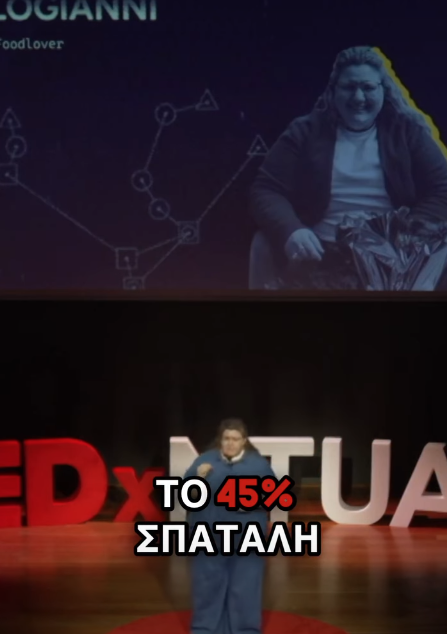
delogianni tedx food waste

Food Preservation and Solidarity in Practice

In November, activities focus on extending the life cycle of food products while strengthening solidarity actions. A seminar on food preservation methods—such as pickling, jam-making, freezing, and alternative food preparations—is implemented. Participants visit a local catering business to explore food waste generated during events and discuss potential reuse and redistribution solutions. Solidarity actions are carried out in cooperation with local bakeries, which donate unsold bread to be distributed to economically vulnerable groups. Educational workshops help participants learn how to correctly read and interpret food labels. With the support of the coach, structured worksheets are developed to reflect on the knowledge gained, skills acquired, and individual learning outcomes.

Evaluation, Learning, and European Good Practices

December focused on reflection, evaluation, and strengthening the European dimension of the project. Project progress and results were shared with the local community through social media and local media, while data collection and analysis helped participants assess impact, strengths, and challenges.

As part of the learning process, participants watched and discussed Gogo Delogianni’s TEDxNTUA talk on food waste, using it as a starting point for critical reflection on food waste at both local and European levels. European good practices on food waste prevention and sustainable consumption were also explored to enrich knowledge and add European value.

The month included educational games, a workshop on recognizing spoiled food, and a visit to the local landfill, offering practical insight into waste management. Activities concluded with presentations of project materials and the preparation of press releases highlighting key achievements and outcomes.