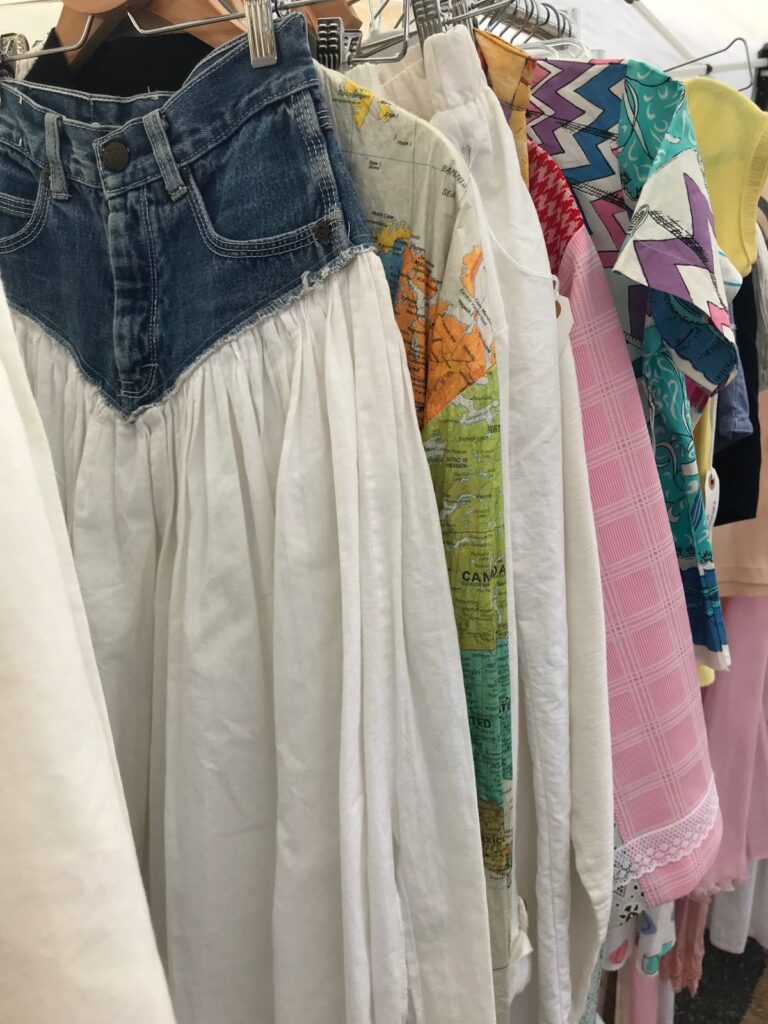
We’re excited to announce the launch of our new solidarity project focused on sustainability and conscious living! “Circular Economy and Sustainable Fashion: The Disruption in the Culture of Consumption” aims to tackle the harmful habit of discarding clothing in our community and promote more responsible, eco-friendly practices.
Through experiential workshops, educational activities, and community sharing initiatives, we will explore how fashion can be both creative and sustainable. Together, we’ll learn how to give new life to old clothes, reduce overconsumption, and support ethical alternatives to fast fashion.
Stay tuned as we build bridges between communities, empower participants with new skills, and raise awareness on environmental protection, human rights, and the joy of conscious living.
Let’s rethink fashion. Let’s rethink our future.
Hands-On for a Greener Future: Our Team Workshop on Sustainable Fashion
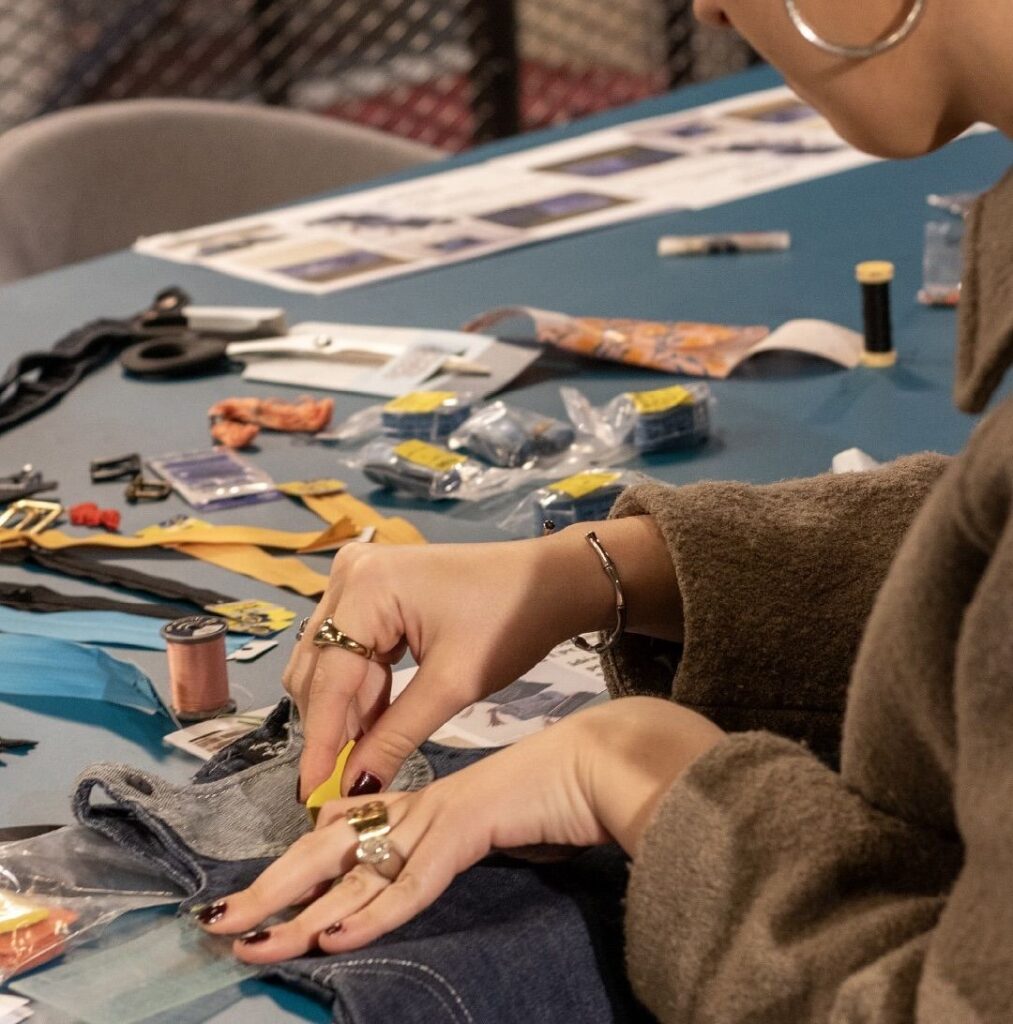
As part of our project Circular Economy and Sustainable Fashion: The Disruption in the Culture of Consumption, we recently held a hands-on workshop for our team members — and it was an inspiring experience!
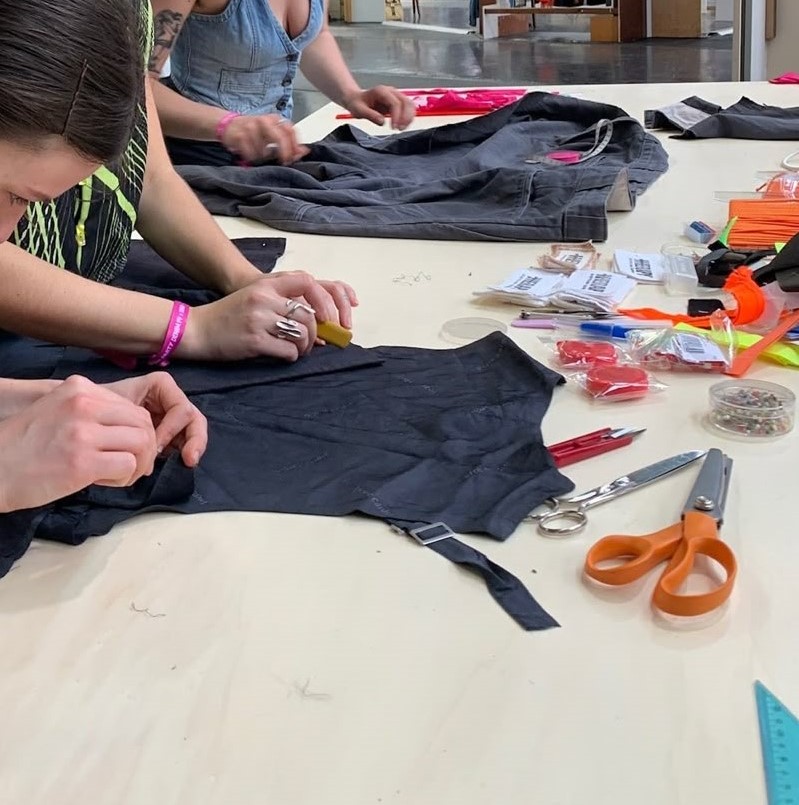
Participants rolled up their sleeves to learn practical skills in repairing and upcycling clothes. Through sewing, patching, and creative redesign, our team explored how to give garments a second life instead of letting them end up in landfills.
This workshop was more than just a technical training; it was an opportunity to challenge the throwaway mentality, spark creativity, and understand how circular practices can reduce our environmental footprint. By rethinking the way we consume and value our clothes, we empower ourselves — and those around us — to become part of the solution for a more sustainable world.
Our project continues to advocate for a fashion industry that prioritizes longevity, innovation, and responsibility. We’re excited to keep sharing knowledge and inspiring change in our communities!
Stay tuned for more workshops, events, and stories from our journey towards a circular fashion future.
Our First Clothing Collection Event
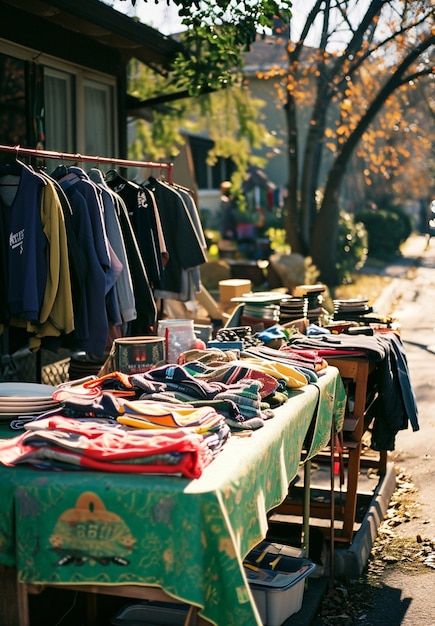
We are thrilled to share that we successfully organized our first clothing collection event in the heart of our village square, right in front of the Town Hall!
The primary goal of this event was to gather used clothing from our community, sort it to determine what could be reused, and finally distribute it to individuals and families in need, based on the needs assessment we conducted last month.
This initiative is a key part of our project Circular Economy and Sustainable Fashion: The Disruption in the Culture of Consumption. By giving a second life to clothes that would otherwise go to waste, we’re not only reducing textile waste but also supporting vulnerable members of our community.
A heartfelt thank you to everyone who donated and volunteered — together, we’re proving that sustainability and solidarity can go hand in hand! Stay tuned for updates on how your contributions are making a difference.
Circular Economy in Fashion: Practices and Perspectives
This month, we are excited to launch our first seminar on Circular Economy in Fashion: Practices and Perspectives.
- The seminar will explore essential topics, including:
An introduction to the circular economy with a focus on the fashion industry. - Practical ways to reuse and reconstruct clothing, alongside inspiring examples of good practices from Greece and abroad.
- A discussion on how reducing textile waste impacts local communities, and the challenges and opportunities in helping vulnerable social groups through sustainable fashion initiatives.
Our speakers will include fashion designers, environmental experts, representatives from solidarity initiatives, and educators, creating a rich dialogue that connects theory with practical action.
We believe this seminar will spark new ideas, raise awareness, and empower participants to adopt more sustainable habits in their personal and professional lives. We can’t wait to share the insights from this special event with you all!
Open Workshop on Clothing & Fabric Upcycling
We are proud to announce our first open-to-the-public workshop on clothing and fabric upcycling, part of our commitment to circular fashion and community engagement!
During the workshop, participants will receive tools such as fabric shears, dye, threads, and needles — not only to transform old clothes, but also to develop valuable skills in repair and creative reuse. A sewing machine operated by an experienced seamstress will be available for more advanced alterations.
We will use garments and fabrics collected during our recent clothing collection event, focusing on pieces that were unsuitable for direct reuse. This ensures that every item still finds a purpose, minimizing waste and maximizing creativity.
The workshop will run monthly, lasting 2-3 hours each session, and will take place under the guidance of experts and our own team members, who will be there to assist and provide step-by-step support.
This hands-on experience is an opportunity for everyone to connect, learn, and contribute to a more sustainable and inclusive community. Join us in turning discarded fabrics into new possibilities!
Strengthening Community Engagement and Creative Reuse
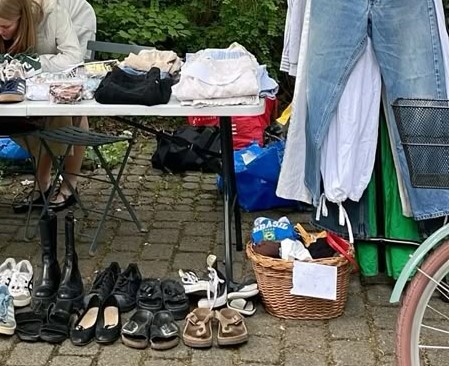
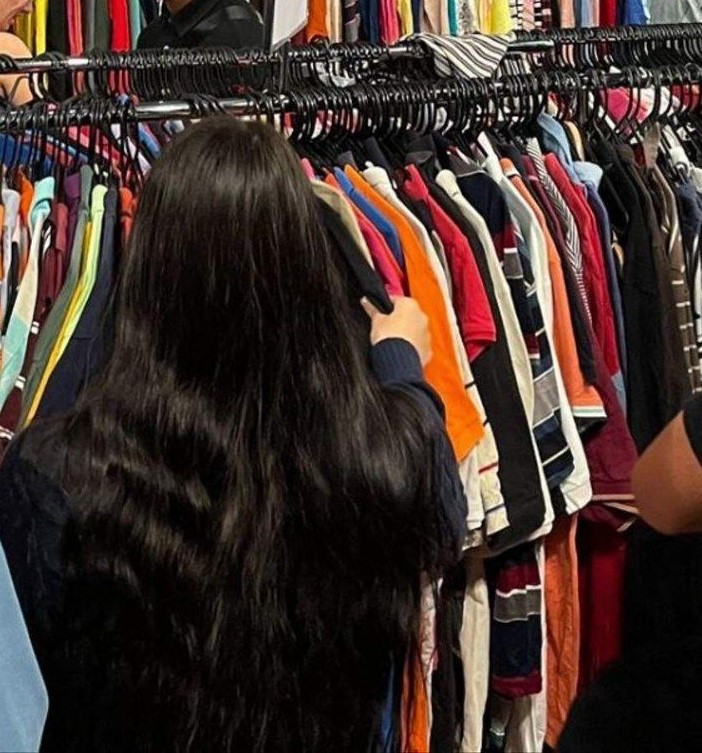
During August, the focus of the project shifted toward strengthening collaboration with the local community and enhancing awareness of sustainable fashion practices. We approached local businesses and social organizations to collect unused clothes and fabrics, which were later distributed to families and individuals in need. At the same time, we produced and shared short audiovisual content based on recordings from previous activities, aiming to promote sustainable fashion, showcase good clothing management practices, and present simple techniques for transforming old garments into new items. These videos were shared through social media stories to reach a broader audience. The monthly recycling and reuse workshop continued, with all creative processes documented through video. Feedback was collected from beneficiaries, and the month concluded with an evaluation meeting with the support of our coach, allowing us to reflect on outcomes and prepare effectively for the next phase of activities.
From Awareness to Action
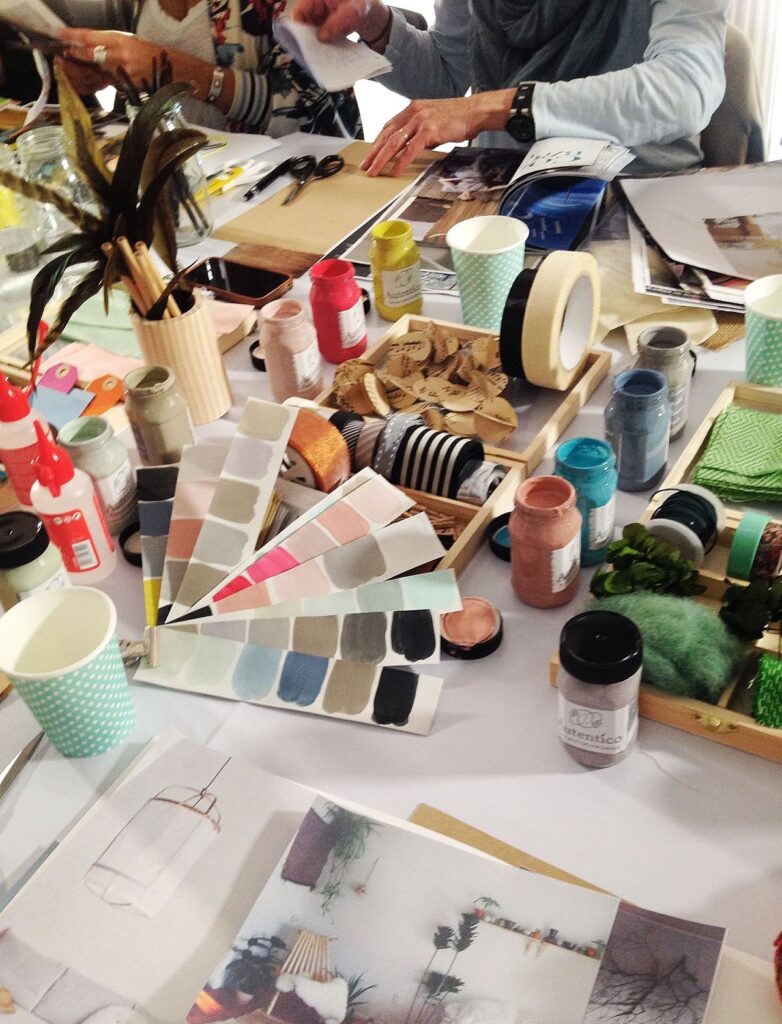
In September, we connected environmental awareness with direct action. A hiking activity was organized in an area where construction waste and discarded clothing are often dumped, creating an opportunity to discuss sustainable waste management and individual responsibility. The monthly recycling workshop was enriched with an experiential upcycling session, during which participants creatively transformed old household textiles into new garments, such as coats, T-shirts, and swimwear. These creations were later presented at a public event that highlighted the value of reuse and promoted the project through social media and communication with the European Solidarity Corps National Agency. Clothes produced during the workshops were distributed to people in need, while preparations began for the creation of a closed clothing collection container in a central community location. This month also included a seminar on European policies for sustainable fashion, reinforcing the project’s European dimension and linking local action with broader EU strategies.
Midterm Reflection and Strategic Adjustment
Reaching the halfway point of the project, October was dedicated to in-depth evaluation and strategic reflection. An extended plenary meeting was held with the participation of our coach, during which we assessed the project’s progress, community response, strengths, and weaknesses. Based on this analysis, we refined our focus areas and adjusted future actions to maximize impact. This process allowed us to move forward with greater clarity, stronger priorities, and improved coordination for the remaining months of the project.
Connecting with Industry and Local Authorities
November emphasized learning through real-world engagement and institutional dialogue. Participants visited a local garment manufacturing workshop to observe clothing production techniques and explore how surplus and damaged materials are managed. Discussions with professionals highlighted good practices and potential collaboration for solidarity actions. A public talk at the municipal cultural center followed, addressing the environmental footprint of the fashion industry and presenting the project’s progress to citizens, businesses, and municipal services. We also formally presented the project to the Municipality of Trikala to explore further cooperation. The month concluded with a second large-scale clothing collection event in the city and the continuation of the monthly recycling workshop, accompanied by an evaluation meeting focused on innovation and European added value.
Solidarity and Social Support
In December, collected clothes from the recycling container and previous events were sorted into reusable items and materials suitable for upcycling. Teams visited nearby settlements to distribute clothing directly to individuals in need or through cultural associations. Preparations began for the establishment of a clothing and bedding bank, using a donated storage space, to respond to future emergencies such as natural disasters or refugee support. Under the guidance of our coach, we continued mapping vulnerable groups and documenting their needs. The monthly recycling workshop took place as planned, followed by evaluation and adjustments to ensure the project remained responsive and effective.